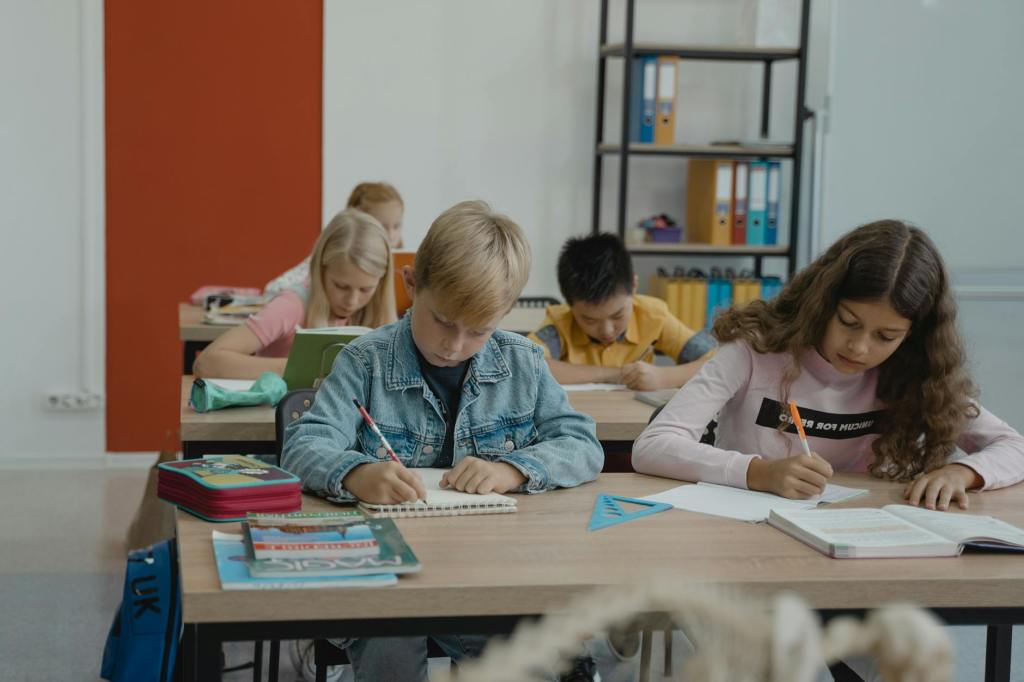
Empathy exists in the classroom through stories, shared moments, and the simple act of listening. Over my 33 of years of teaching young learners, I’ve seen firsthand how small gestures—like encouraging students to talk about their feelings, or sharing a read-aloud that explores different perspectives—can blossom into deeper understanding and respect among classmates.
One of the things I loved to do in my classroom was to invite students to write one fact about themselves that they did not think their classmates would know. I then shuffled the nameless papers and put them out on students’ desk, but not the correct desks. My students then rotated from desk to desk. They had two minutes to read the statement and guess which classmate they thought was the owner of the paper by writing something similar to, “I think this is Billy’s paper because…..” They had no idea that they were practicing writing skills in a way that used supporting details, a skill for first and second graders, because they were having so much fun.
After the rotations, we would gather on our classroom rug and I would read each statement before allowing the owner to claim his or her paper. Students were often amazed that a classmate had two baby brothers, six dogs, or even that a fellow student lived with his or her grandparents. I loved to witness the excitement when they learned new things about their friends. Those moments when students demonstrate caring for each other is powerful.
Empathy doesn’t just build kindness; it builds community. When students learn they’re understood, they feel safe. When they understand others, they feel connected. As educators, our best tool is modeling: sharing our own stories, asking open-ended questions, demonstrating active listening.
For rural classrooms with limited diversity, introducing global stories or virtual cultural tours can expand horizons. Online storytelling by students from different countries, for instance, can spark curiosity and compassion. Pair that with reflective journaling, such as “How would I feel if…?” and that allows you to cultivate critical thinking alongside empathy.
In today’s world, empathy is essential. One does not need to look far to see influential leaders who often do not exhibit basic politeness and empathy toward others. This lack of decorum often results in situations where little progress is made on important issues because there is too much focus on insulting others with different viewpoints instead of solving real problems.
Encouraging empathy in the classroom does more than keep the peace within the school setting. It shapes confident students who care about more than just themselves. It helps them stand up for others, navigate conflict with grace, and build inclusive communities, and that learning begins on the carpet, with a shared story and open heart.
 Missy Testerman
Leave a comment